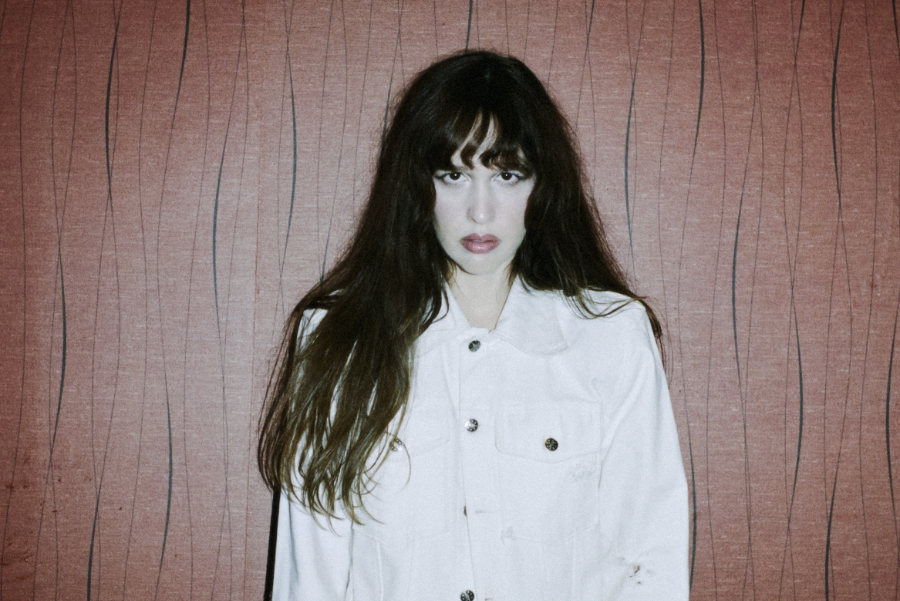
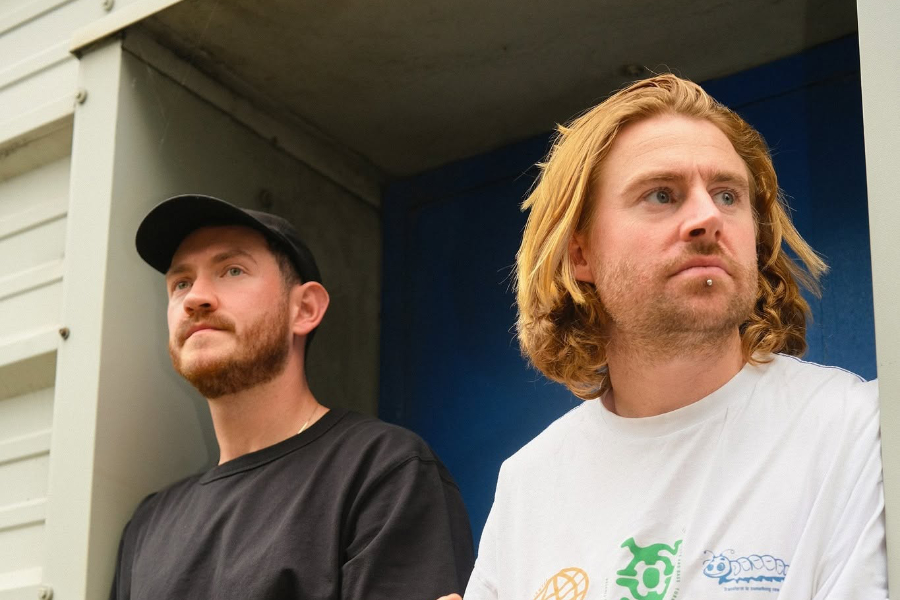
Drawing influences from electronic pioneers such as Tangerine Dream and Ryoji Ikeda, and inspired by the volcanic landscapes of the Spanish island that gives it its name, PSTMRD’s new album, Lanzarote, is set for release on 6 February.
Created using a combination of modular synthesisers and digital tools such as Ableton Push 3, Soma Terra, and Waldorf Iridium, the Italian producer’s latest work features seven tracks – Intro, Fullmoon, Volcano, Dune, Peaks, The Wave, and the expansive, 12-minute title track that closes the album, Lanzarote.
With roots in the hardcore and post-rock scenes of the 1990s, PSTMRD has developed a reputation for creating immersive, expressive soundscapes, with Lanzarote representing his most accomplished work to date. 909originals caught up with him.
For those unfamiliar with your work, how would you describe PSTMRD?
PSTMRD is like an interstellar comet in constant travel between different musical evolutions and ambient cultures. My goal is to weave sound landscapes where the organic and mechanical elements not only coexist, but dialogue with each other.
It is an invitation dedicated to those looking for deep and evolutionary music; an experience designed for those who really want to ‘get lost’ in constantly changing sound plots.
How does your new album, Lanzarote, mark an evolution of your sound from your debut?
Lanzarote represents a significant evolution because it was born from total immersion. I spent a week on the island, bringing most of my gear with me to deliberately get lost in its atmosphere.
The result is something unique that could only have been generated by that specific landscape and at that particular moment in my life. It’s more than just an album; it’s a sonic photograph of a time and place.
The track titles evoke some of the physical aspects of the Spanish island of Lanzarote – Vulcano, Dune, Peaks, The Wave. In what ways did the island’s landscape influence your composition?
As I mentioned, the entire album was captured on the island in a very intense burst of creativity. I spent hours lost in my synths, just recording. It was pure magic.
My usual process can be quite long and unpredictable, but Lanzarote’s scenery acted as a catalyst. The ‘magic’ of that landscape provided such focus that I was able to complete 70% of the work in just one week – the island literally dictated the pace of the composition.
The title track, Lanzarote, is the stand-out for us, a 12-minute odyssey with different ‘chapters’. Was it important for you to break free of the standard structure when putting that together?
That track was actually captured in a single night, fuelled by a great bottle of local Malvasia wine. I stayed awake from dusk until dawn, right after my third – and still unsuccessful – attempt to climb the volcano. The shifting states of mind between the vastness of the space, the deep darkness of the night, and the eventual sunrise infused the track with a sense of nostalgia.
Breaking the standard structure wasn’t a calculated choice; it was simply the natural way to translate those evolving emotions into a 12-minute journey.
The artwork for the album is impressive (it actually reminds us of the Voyager Golden Record). How did that come together?
The artwork was created by Samantha, whose artistic vision is truly exceptional. As soon as I decided to release the album, I reached out to her immediately.
I wanted her to listen to the record and simply create whatever the music inspired in her, giving her total creative freedom. I’m thrilled with the result; the fact that it reminds you of the Voyager Golden Record is a huge compliment, as it captures that sense of a ‘cosmic journey’ perfectly.
The album has echoes of Aphex Twin, Ryoji Ikeda and Tangerine Dream. What elements of artists like these – and others – have influenced the way you approach music?
All of these artists are a vital part of my musical DNA. The sound of this album is naturally an evolution of those influences, which are both broad and deep.
Beyond the legends you mentioned, the entire Constellation Records and KRANKY and Suction records was fundamental in shaping my approach. I don’t try to mimic them, but their philosophy of exploration and sound design is woven into the fabric of my own music.
As an artist with roots in 1990s hardcore and post-rock, how do those early influences surface in your music today?
Honestly, not much has changed; it’s just evolved. I like to think of it like the San Diego scene back in the day. You’d have the same guys playing in The Locust, tearing everything down with pure hardcore chaos, and then creating these beautiful, healing soundscapes with The Album Leaf.
What’s next for PSTMRD in 2026?
I’ve just finished working on a new live concept: 60/75 minutes of deep, organic sound that breathes through textures moving up and down.
Expect a journey of heavy layering and immersive soundscapes, but don’t get too comfortable – the flow is constantly disrupted by sudden tempo shifts and sharp genre bends. I really want to present this together with the album. I really like it.
PSTMRD – Lanzarote is released on 6 February. You can pre-order it here.
About Post Author